
Are Potatoes Healthy? A Deep Dive Into Potato Nutrition

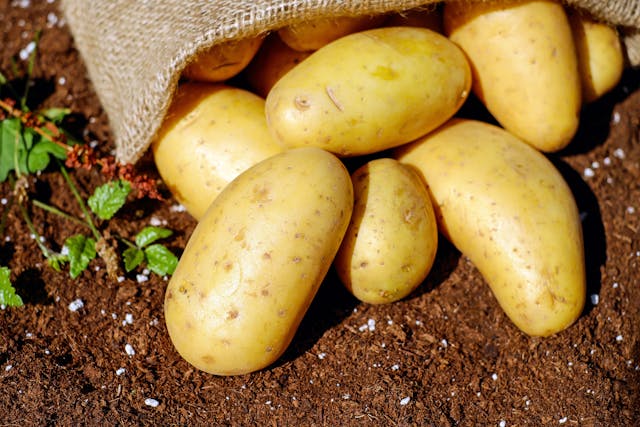
Potatoes have been part of human diets for generations; they typically earn mixed evaluations in current nutrition talks. Some individuals consider them a simple comfort meal, while others worry about carbs and weight gain. The truth is more balanced. Potatoes may be a useful and nutritious component of regular meals when cooked in healthful ways. Understanding potato nutrition facts helps clarify any misconceptions and illustrates why this simple vegetable deserves greater attention.
Also Read: Benefits at McDonald’s: Why It’s a Great Place to Work
The Basic Nutritional Profile Of Potatoes
Despite their high carbohydrate content, potatoes are not inherently harmful. Carbohydrates are the body’s principal energy source. A medium potato offers a consistent source of fuel that promotes metabolism, physical activity, and cognitive function. In contrast to highly processed forms of carbohydrates, potatoes in their natural state—especially when eaten with the skin—contain vital minerals and fiber.
They are naturally low in fat and have no cholesterol. This makes them ideal for heart-conscious diets when they are neither fried nor piled with high-fat toppings. The trick lies in preparation and amount balancing rather than eliminating potatoes completely.
Vitamins And Minerals That Matter
One of the most ignored potato nutrition facts is its amazing vitamin and mineral richness. Vitamin C, which enhances immunity and assists in the body’s absorption of iron, is rich in potatoes. They also supply vitamin B6, a crucial factor for brain development and energy metabolism.
Potatoes include potassium, a mineral that helps control blood pressure and improve muscular function. In actuality, a potato has a higher potassium content than a banana. Magnesium, iron, and minor levels of other trace minerals are also present, contributing to general health and well-being.
Fiber And Digestive Health
When individuals peel potatoes, they frequently lose a large quantity of fiber. The skin comprises most of the dietary fiber that improves digestive health. Fiber helps maintain regular bowel movements, maintains gut bacteria, and contributes to a sense of fullness after meals.
Eating potatoes with their peel may help manage appetite and decrease overeating later in the day. This makes them more fulfilling than many refined carbohydrate diets that lack fiber and minerals.
Are Potatoes Bad For Weight Management?
Potatoes occasionally get blamed for weight gain, but the problem typically stems from how they are cooked. Chips and fries that are deep-fried add a lot of calories and bad fats. On the other hand, roasted or boiled potatoes without a lot of toppings are incredibly satisfying and have very few calories.
Satiety is produced by their inherent fiber and water content, which prolongs feelings of fullness. This may truly assist with portion management. When included in balanced meals with vegetables, lean meats, and healthy fats, potatoes may fit well into weight control strategies.
The Glycemic Index And Blood Sugar
The glucose index of potatoes is higher than that of some other veggies, which means they may raise blood sugar levels more quickly. However, this impact may be decreased by mixing them with protein, healthy fats, and fiber-rich meals. Additionally, cooking and chilling potatoes may produce resistant starch, which promotes gut health by slowing digestion.
For most healthy persons, modest servings of potatoes as part of a balanced diet are not a concern. People with certain medical issues should obtain tailored nutritional recommendations.
Cooking Methods Make A Big Difference
How potatoes are cooked has a huge effect on their health impact. Boiling, steaming, baking, or roasting with little oil keeps their nutritious value intact. Frying, on the other hand, adds additional fat and may impair nutritional advantages.
Seasoning using herbs, spices, yogurt-based sauces, or olive oil in tiny quantities may increase taste without converting a healthful meal into a high-calorie dish.
Final Thoughts
Potatoes are not merely a source of carbs. They contain vitamins, minerals, fiber, and energy in a natural package. By paying attention to potato nutrition facts, it becomes evident that potatoes may promote a healthy diet rather than impair it. The underlying problem is not the potato itself but the cooking technique and portion amount.
Potatoes may be a filling, healthy, and reasonably priced food option that complements a variety of eating habits when consumed in their whole, little-processed form.







One Comment